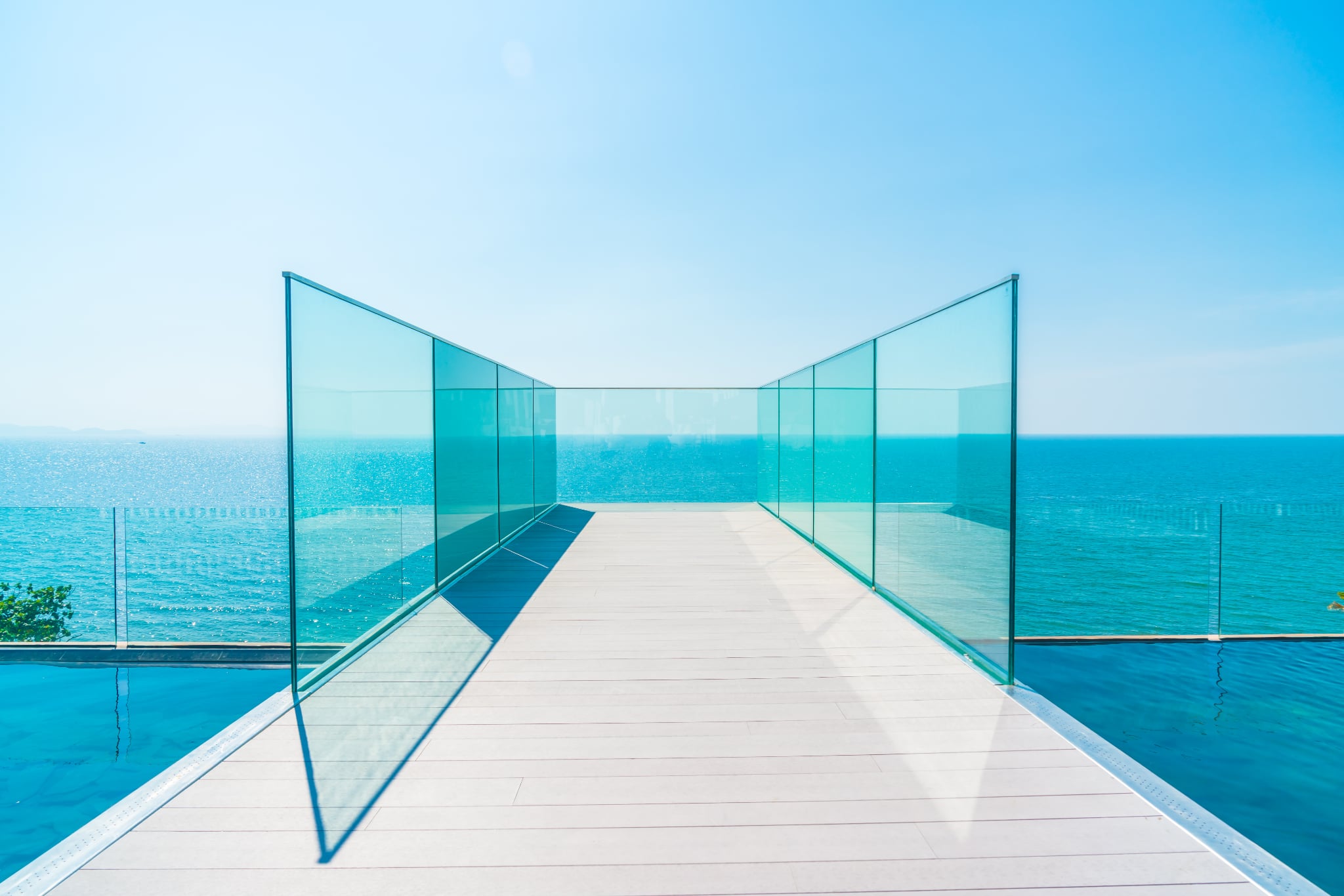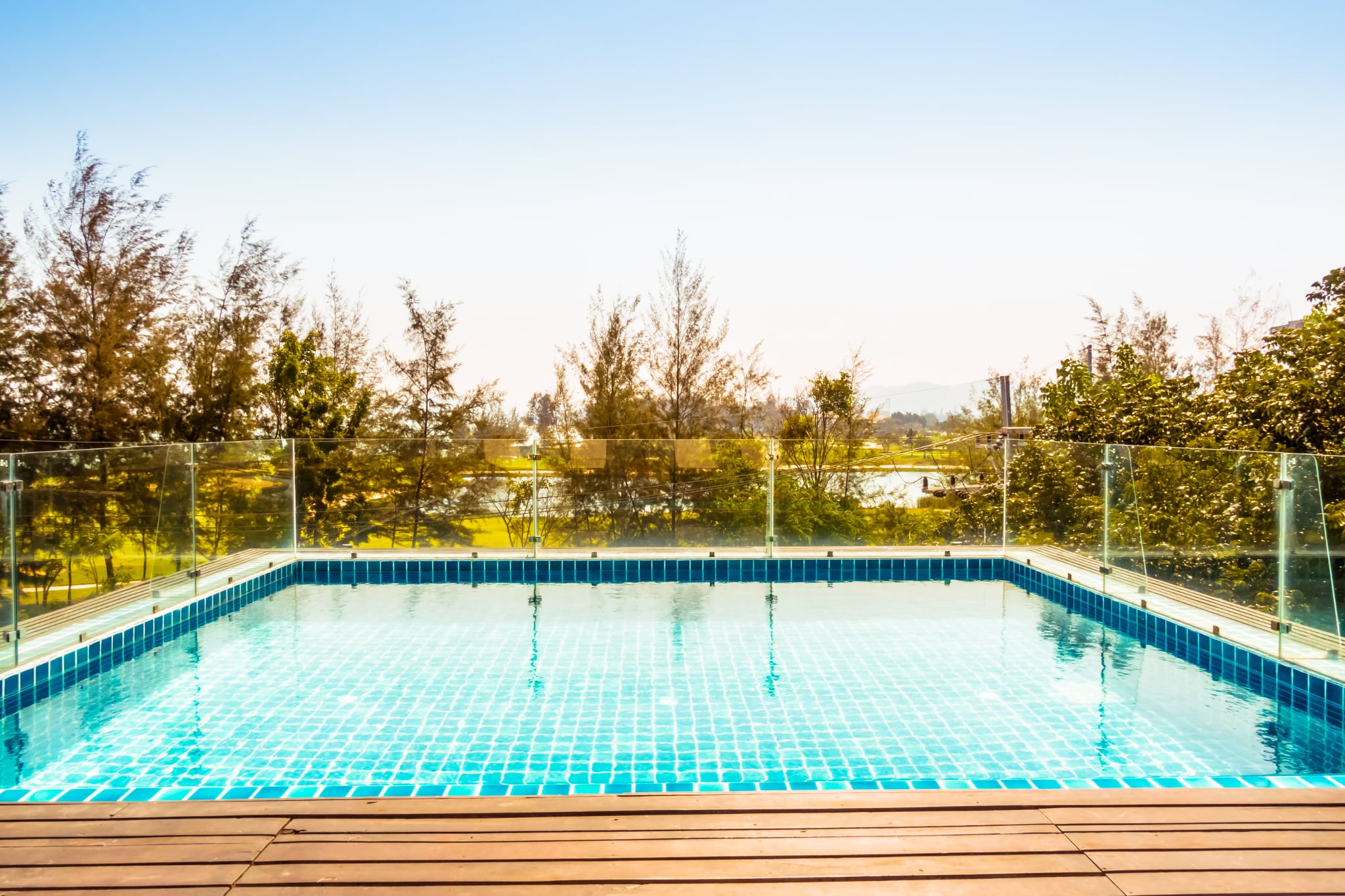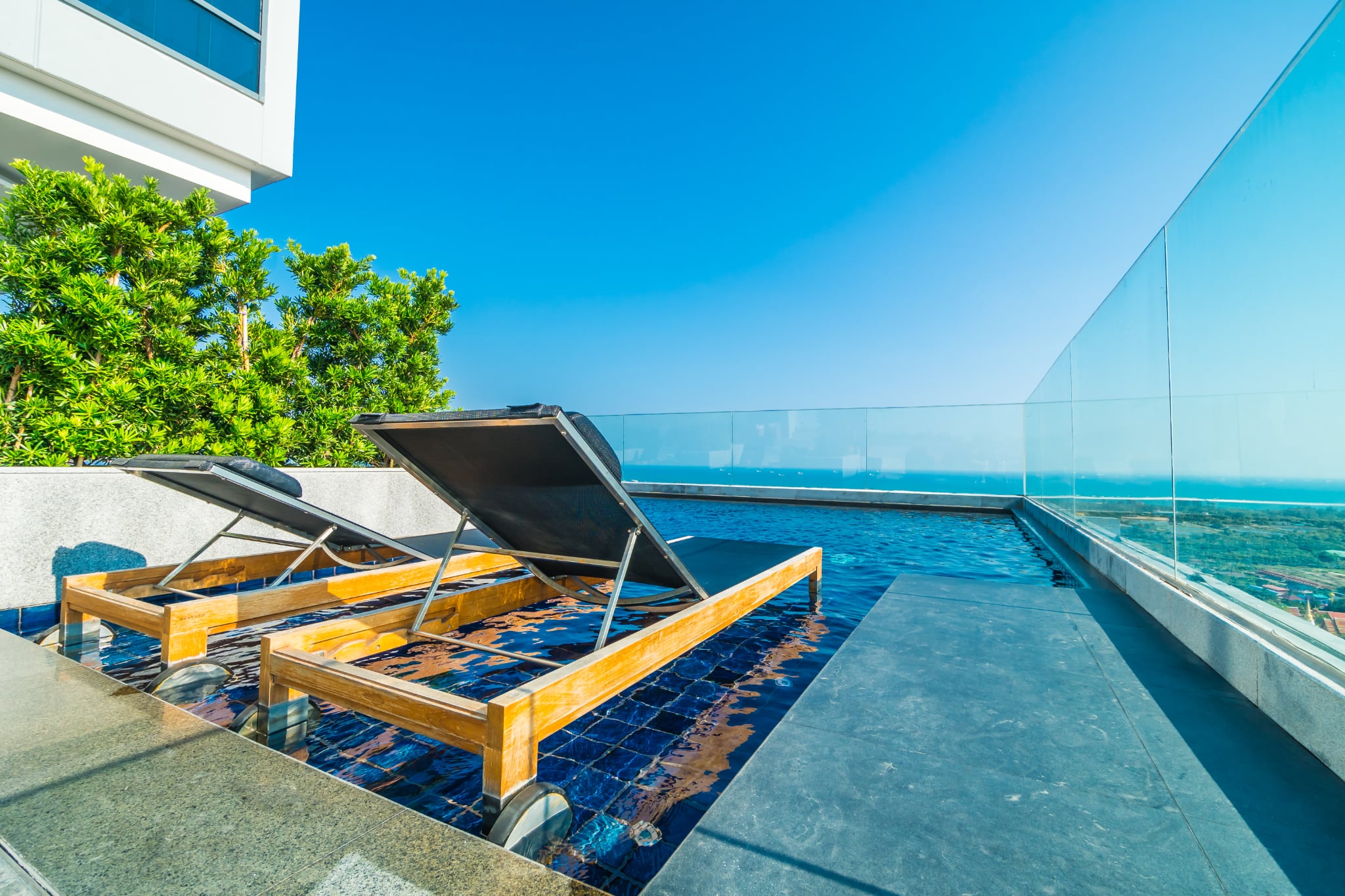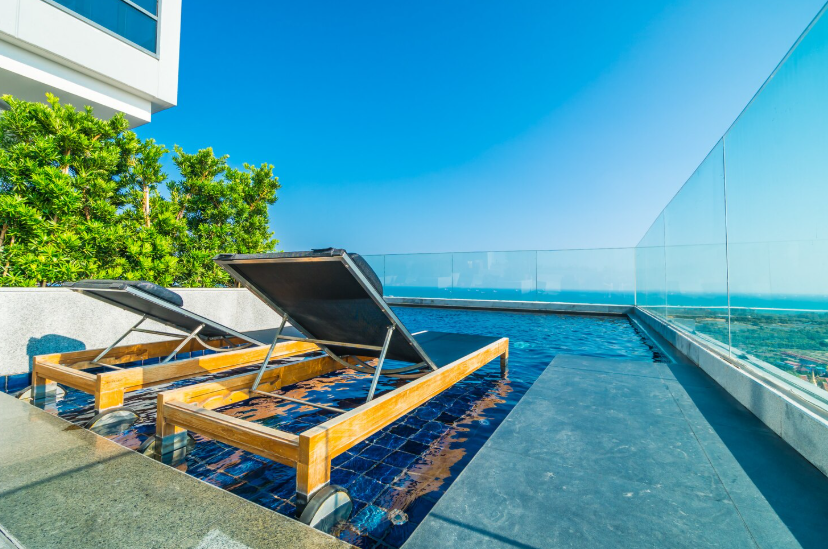
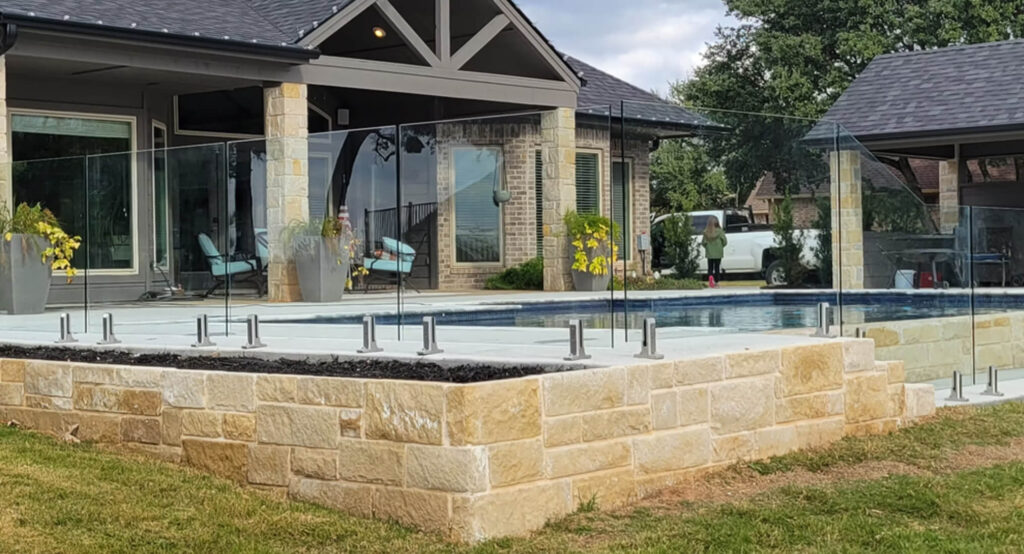
When you’re looking for a glass pool fence, one of the first choices is the type of glass. Laminated and tempered glass are both safety options. Still, they’re built differently, break differently, and perform in unique ways depending on your needs, so it helps to understand the differences before deciding which to use with local glass fencing companies.
Here’s a clear breakdown so you can make an informed choice.
Tempered Glass: The Standard for Pool Fencing
Tempered glass is the most widely used option for residential pool fencing, and for good reason. It’s manufactured through a process of extreme heating followed by rapid cooling, which creates internal tension that makes it four to five times stronger than standard glass.
The real advantage shows up if it ever does break. Instead of shattering into sharp, dangerous shards, tempered glass fractures into small, rounded pebbles, significantly reducing the risk of serious injury. That safety characteristic is a big part of why building codes across Texas and the rest of the U.S. recognize it as an approved material for pool barriers.
At Revelation Glass Pool Fences and Railings, we use 1/2″ tempered and polished glass on every installation. That thickness is the industry standard for frameless pool fencing and handles the daily demands of outdoor use, pool chemicals, Texas heat, UV exposure, and the occasional storm without losing structural integrity.
Best for: Most residential pool applications, homeowners prioritizing durability and value, and standard DFW installations.
Laminated Glass: Added Protection for Specific Situations
Laminated glass takes a different approach. Rather than a single solid pane, it’s constructed from two or more layers of glass bonded together with a plastic interlayer, typically polyvinyl butyral (PVB) or, for exterior use, SentryGlas Plus (SGP).
When laminated glass breaks, it doesn’t shatter. The interlayer holds the fragments in place, similar to how a car windshield behaves on impact. This means there’s no sudden opening in your fence barrier if a panel is struck, and no loose glass pieces on the ground.
SGP laminated glass, in particular, is engineered for high-wind environments. It’s rated to withstand hurricane-force conditions and resists UV deterioration and moisture, making it a strong choice for exposed locations or commercial applications. The tradeoff is cost: laminated glass runs higher than tempered, and not every project requires it.
Best for: High-wind or storm-exposed locations, commercial properties, elevated decks, and situations where maintaining the barrier after impact is a priority.
How They Compare
Both glass types meet pool safety codes and hold up well outdoors, but they behave differently where it counts.
Tempered glass is four to five times stronger than standard glass and is the go-to for residential pool fencing. If it ever takes a hard enough hit to break, it fractures into small, rounded pebbles rather than sharp shards, keeping the area around the pool safer in the unlikely event of breakage. It handles heat, UV exposure, and pool chemicals without issue, and it comes in at a lower price point than laminated.
Laminated glass matches tempered glass in strength but adds a critical difference: when it breaks, the interlayer holds all the fragments in place. There’s no sudden gap in your fence and no loose glass on the ground. SGP laminated glass also carries ratings for high-wind and hurricane-force conditions, making it a stronger choice for exposed properties or commercial installations where maintaining the barrier after an impact matters most. The tradeoff is cost laminated glass is a meaningful step up in price, and most standard residential projects simply don’t require it.
What We Recommend for Most DFW Homeowners
For the vast majority of residential pool fencing projects across the Dallas-Fort Worth area, 1/2″ tempered glass is the right call. It meets all local safety codes, handles the Texas climate well, and delivers the clean, frameless look most homeowners are after without the added cost of laminated glass.
That said, every property is different. If your backyard is particularly exposed, if you’re on a lake property, or if you’re outfitting a commercial space, laminated glass may be worth the investment. We’ll walk you through the options during your consultation and give you a straightforward recommendation based on your specific situation.
Ready to get started? Contact us to schedule a free assessment. We serve homeowners and commercial properties across Royse City, Rockwall, Dallas, Plano, Frisco, and the surrounding DFW area.
Related Topics: